Spain runs on a different clock — lunch at 2:30pm, dinner at 10pm, and a city that doesn't really wake up until the sun softens. Fight it and you'll be hungry and grumpy. Lean into it and you'll have one of the best trips of your life: late dinners, packed plazas, and a country that genuinely knows how to enjoy itself.
It's also football-mad. La Liga is woven into daily life, and with the 2026 World Cup in full swing, every bar with a TV becomes a stadium. Few things feel more Spanish than watching a match over a beer and a plate of jamón at 11pm.
When to Go
April to June and September to October are perfect — warm days, cool evenings, and you dodge the brutal interior summer. July and August can hit 104°F in Seville and Córdoba; locals flee to the coast.
The coast (Costa Brava, Costa del Sol) peaks in summer but is glorious in late September when the sea's still warm and the crowds thin out. Spring also brings festivals — Seville's Feria in April is a spectacle.
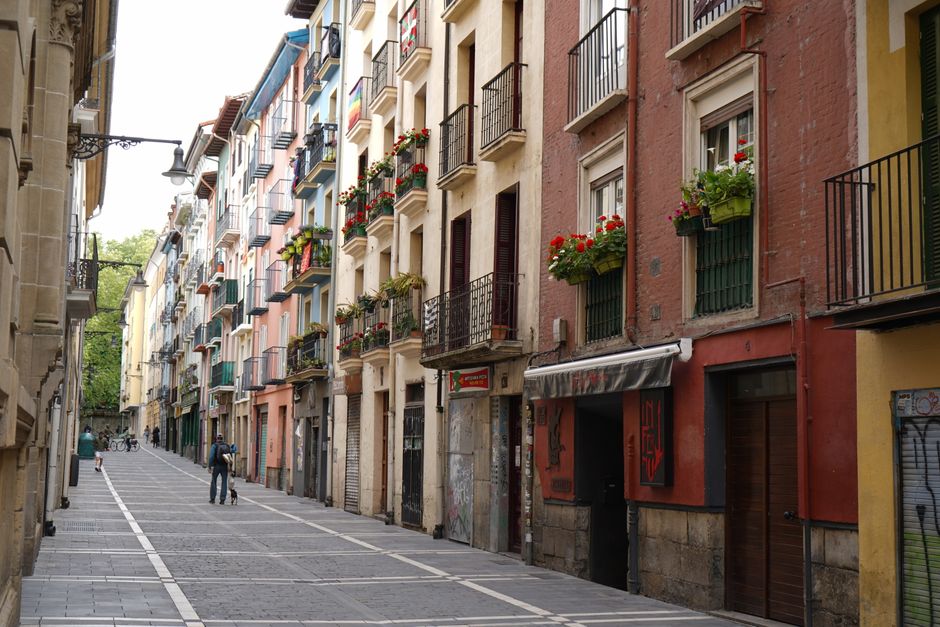 Photo: Entdecker Fuchs / Pexels
Where to Stay
Madrid — skip the chains near Gran Vía. Stay in La Latina for tapas-crawling on Sundays, or Malasaña for the indie, vintage-shop scene. Rooms €80–140/night (~$87–151); hostels €25–40 (~$27–43).
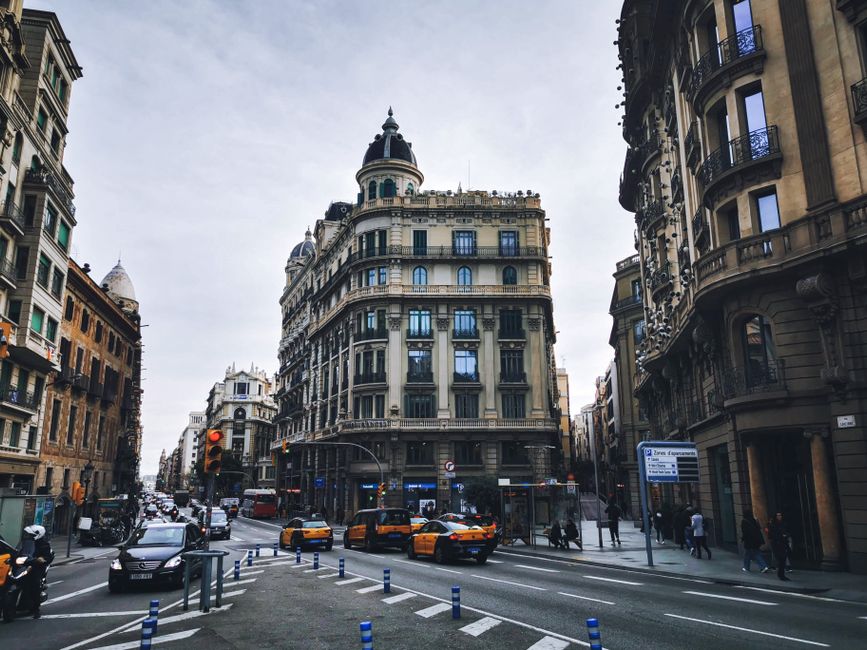
Barcelona — avoid the Ramblas tourist trap. Stay in Gràcia, a village-like barrio of leafy squares and local bars, or El Born for medieval lanes near the beach. €95–160/night (~$103–173).
Seville for Andalusian heat and soul — base yourself in Santa Cruz or the more local Triana across the river. €70–120/night (~$76–130).
What to Eat
Tapas are a way of eating, not a dish. In Madrid and Seville, bar-hop and order small: jamón ibérico, tortilla española, gambas al ajillo. In the Basque Country, it's pintxos — toothpick snacks lined along the bar. Real paella is from Valencia, made with rabbit and beans, not the seafood-tourist version.
Don't miss gazpacho in summer and a proper café con leche to start the day.
Cheap-eat tip: the menú del día — a fixed midday lunch with starter, main, drink, and dessert — runs €11–15 (~$12–16) and is how locals eat well for little.
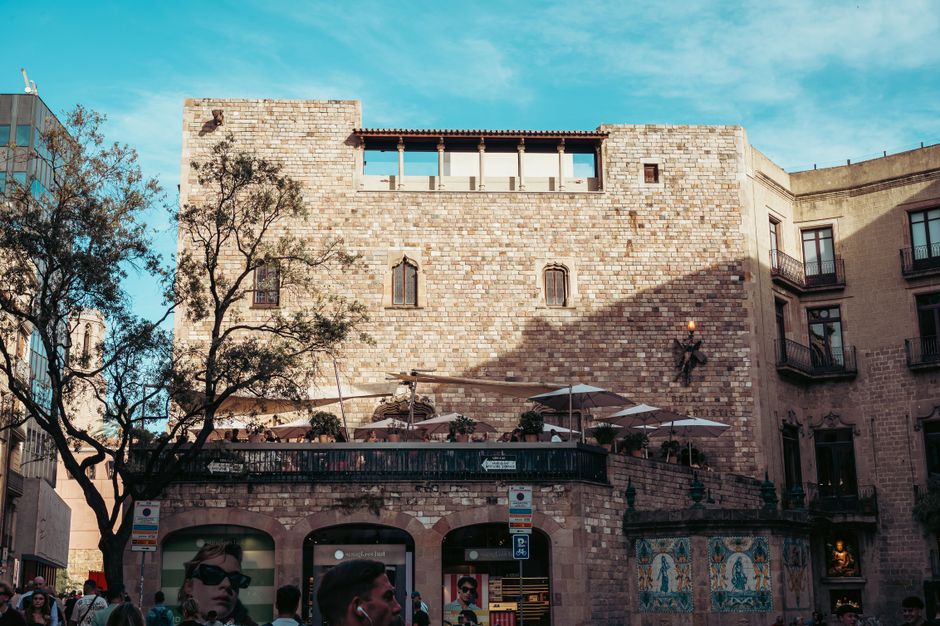 Photo: Paolo Sbalzer / Pexels
Don't-Miss Spots
- The Alhambra, Granada — Moorish palace perfection (book weeks ahead)
- Sagrada Família, Barcelona — Gaudí's still-unfinished masterpiece
- The Prado, Madrid — Velázquez and Goya, free in the last two hours
- Córdoba's Mezquita — a mosque-cathedral of red-and-white arches
The local gem: Cádiz, on Andalusia's Atlantic coast — Spain's oldest city, all salt air, fried fish, and crumbling charm, with almost none of the tour-bus crowds of Seville. Get a pescaíto frito cone and eat it on the seawall.
Getting Around
Spain's AVE high-speed trains are superb — Madrid to Barcelona in 2.5 hours, Madrid to Seville in under 3. Book early via Renfe for fares as low as €20–40 (~$22–43); last-minute can hit €90+.
Cities have cheap metros (single ride ~€1.50–2 / ~$1.60–2.20). Buses (ALSA) cover smaller towns cheaply. For Andalusia's white villages, a rental car (€35–55/day / ~$38–60) opens up the backroads.
What a Week Costs
Mid-range solo traveler, one week:
| Item | Estimate |
|---|---|
| Accommodation (7 nights) | $650–1,050 |
| Food | $35–60/day |
| Intercity transport (AVE) | $70–160 |
| Local transport | $30–55 |
| Attractions & tapas | $110–230 |
Rough total: $1,200–2,300 for a week — Spain stretches a budget further than most of Western Europe.
Plan Your Spain Trip
Spain is deceptively spread out, and the rookie mistake is trying to cram Madrid, Barcelona, and Andalusia into seven rushed days. We build done-for-you custom itineraries from $2: the right cities to pair, which barrio to sleep in, and a day-by-day tuned to Spanish hours. Tell us your dates and we'll route it for you.
Photos via Pexels.