Germany surprises people. They expect efficiency and beer halls — they get those — but they don't expect Berlin's raw, anything-goes energy, or the fairytale absurdity of the Bavarian Alps, or how genuinely beautiful the small medieval towns are. It's a country that's serious on the surface and quietly fun underneath.
Football is part of the national fabric here — the Bundesliga draws some of the loudest, most loyal crowds on earth. With the 2026 World Cup on, a German pub during a match is one of the great experiences in Europe: full steins, full lungs, and total focus on the screen.
When to Go
May to September delivers the best weather and the long beer-garden evenings Germany is built for. June and July are ideal — warm, lively, festivals everywhere.
If you want the famous stuff: Oktoberfest runs late September into early October (book Munich months ahead and expect chaos). December brings the magical Christmas markets — cold, but glühwein and timber stalls make it worth it. Avoid expecting reliable sun; pack layers.
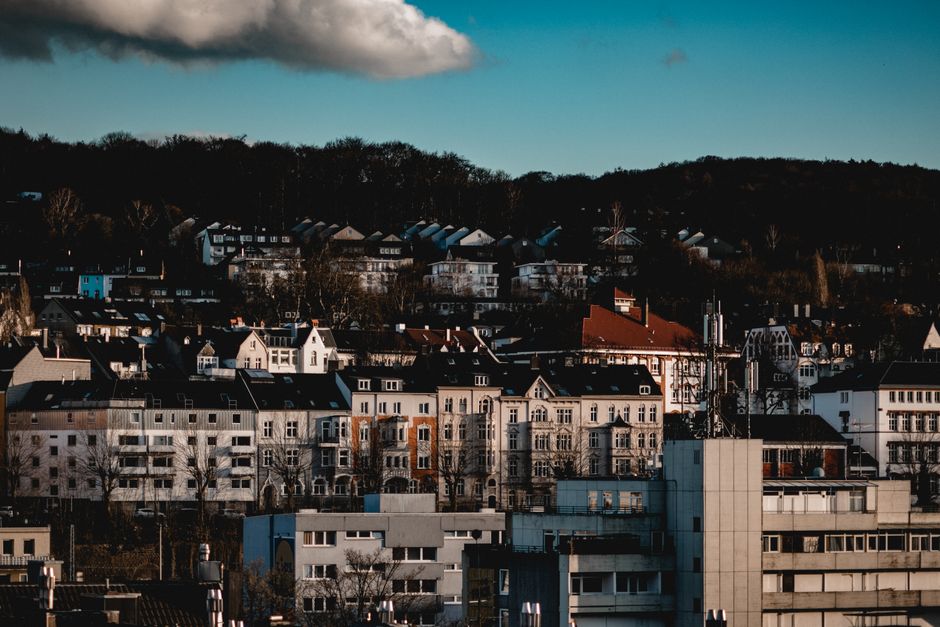 Photo: Tasso Mitsarakis / Pexels
Where to Stay
Berlin — skip the bland hotels near Alexanderplatz. Stay in Kreuzberg for Turkish food, canals, and nightlife, or Prenzlauer Berg for leafy, café-lined calm. Rooms €80–140/night (~$87–151); hostels €20–40 (~$22–43).
Munich is the polished, pricier south — base in Glockenbachviertel for walkability and good bars. €110–180/night (~$120–195).
Hamburg, the underrated port city, is great around Sternschanze — gritty, creative, full of late-night currywurst. €90–150/night (~$97–162).
What to Eat
Yes, eat the bratwurst and schnitzel (Wiener or jäger), but go further. In Berlin, currywurst with fries is the iconic street snack (~€4–6 / ~$4.50–6.50). In the south, weisswurst with sweet mustard and a pretzel is the proper Bavarian breakfast — eaten before noon, by tradition.
Don't skip döner kebab — Berlin's version is arguably the best on the planet, a legacy of the city's huge Turkish community.
Cheap-eat tip: a döner from a busy Imbiss (street stand) runs €5–7 (~$5.50–7.50) and is a full, satisfying meal.
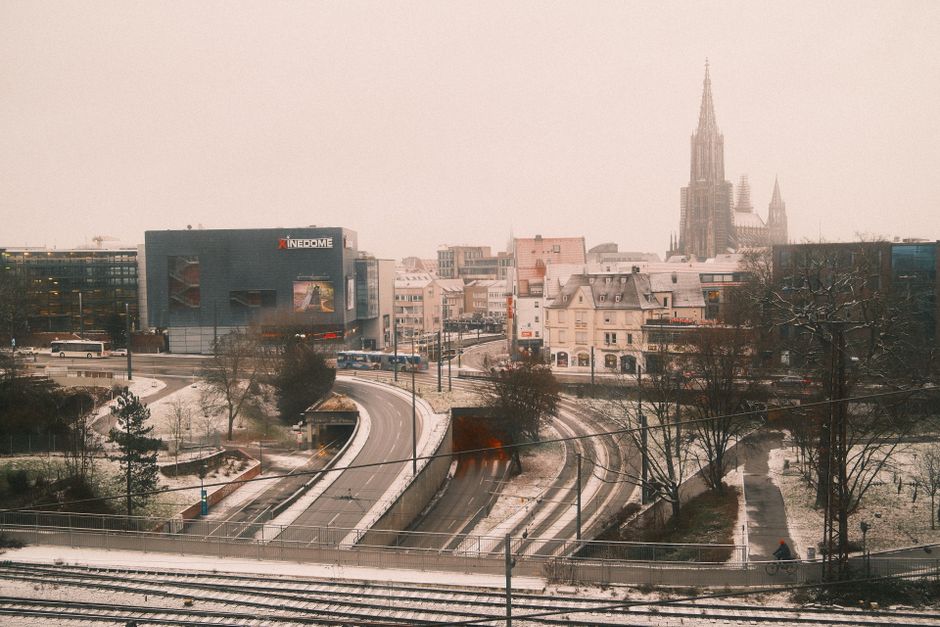 Photo: Alyona Nagel / Pexels
Don't-Miss Spots
- Berlin Wall / East Side Gallery — history you can walk along
- Neuschwanstein Castle in Bavaria — the fairytale castle that inspired Disney
- Cologne Cathedral — a gothic giant right by the train station
- The Black Forest — deep woods, cuckoo clocks, and cake
The local gem: Bamberg, in Bavaria — a perfectly preserved medieval town (UNESCO-listed) famous for Rauchbier, a smoked beer that tastes like liquid campfire. Most tourists rush past it on the way to Munich. Don't.
Getting Around
Deutsche Bahn trains are the backbone — fast ICE trains link the big cities (Berlin to Munich in ~4 hours). Book early via the DB Navigator app for Sparpreis fares from €20–40 (~$22–43); flexible tickets cost far more.
The Deutschland-Ticket (around €58/month / ~$63) covers all regional trains, trams, and buses nationwide — incredible value if you're moving around for several weeks. In cities, day passes run €7–9 (~$7.50–9.75).
What a Week Costs
Mid-range solo traveler, one week:
| Item | Estimate |
|---|---|
| Accommodation (7 nights) | $650–1,150 |
| Food | $35–60/day |
| Intercity transport (ICE) | $70–170 |
| Local transport | $35–60 |
| Attractions & beer | $110–230 |
Rough total: $1,200–2,400 for a week, depending on how much ICE travel and how many steins.
Plan Your Germany Trip
Germany packs a lot in, and the hard part is sequencing it — Berlin's grit and Bavaria's castles are a long train apart. We build done-for-you custom itineraries from $2: which cities to pair, the right neighborhood to sleep in, and a realistic day-by-day around your dates. Send us your trip and we'll handle the route and the rail bookings logic.
Photos via Pexels.