Mexico is the easiest "big trip" you can take — incredible food, deep history, beaches and mountains, and your money goes a long way. The trick is getting past the all-inclusive resort version and into the real country.
In 2026 Mexico co-hosts the World Cup with the U.S. and Canada, with matches in Mexico City (Estadio Azteca — which hosts the opening match), Guadalajara, and Monterrey. The Azteca becomes the first stadium ever to host games at three different World Cups. All three are excellent, distinct cities to base in.
When to Go
November to April is the dry season and the best window — warm, sunny, low humidity. December–January and Semana Santa (Easter week) are peak, so book ahead.
Summer (June–September) is the rainy season: expect short, heavy afternoon storms, especially on the coasts and in the Yucatán. The World Cup runs mid-June to mid-July 2026, smack in rainy season — pack a light rain layer and reserve host-city hotels early.
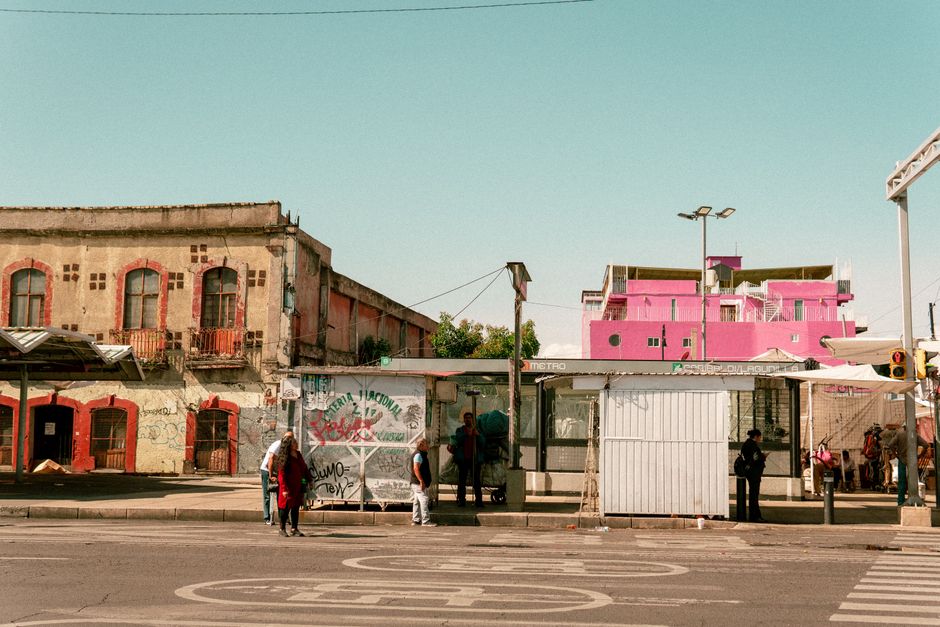 Photo: Diana Reyes / Pexels
Where to Stay
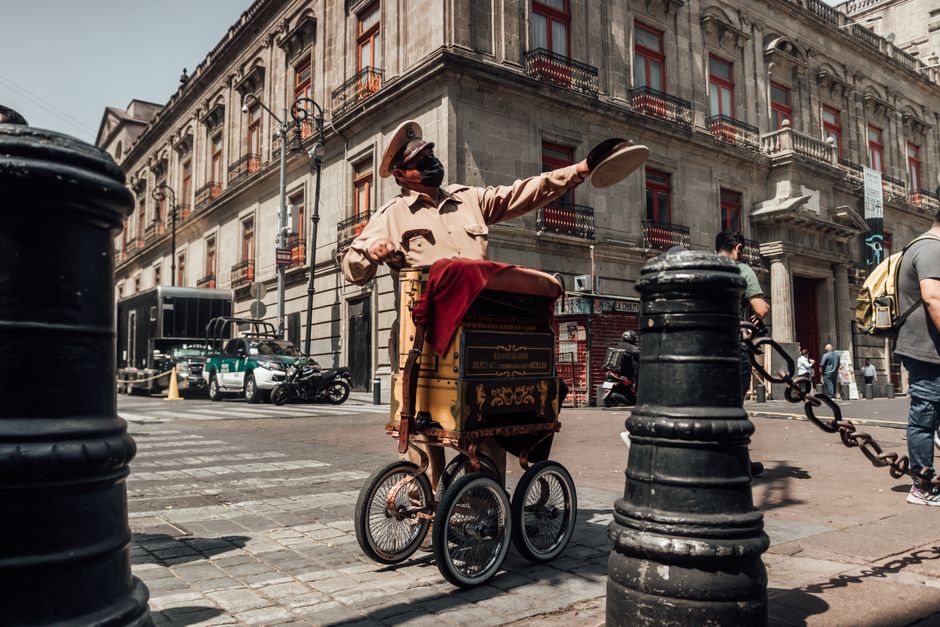
- Mexico City (CDMX) — One of the world's great cities. Stay in Roma Norte, Condesa, or Juárez — leafy, walkable, café-dense. Boutique hotels run MXN $1,800–3,500/night (~$100–195 USD); great Airbnbs less.
- Oaxaca — The food and craft capital. The Centro Histórico puts you steps from everything. MXN $1,200–2,800/night (~$65–155 USD).
- Playa del Carmen / Tulum (Riviera Maya) — For beaches, skip the mega-resorts and stay in town. Tulum has gotten pricey and overhyped; Playa del Carmen is better value. MXN $1,500–4,000/night (~$85–220 USD).
What to Eat
This is the reason to come. Tacos al pastor off a vertical spit in CDMX (MXN $15–25 each / ~$1), Oaxacan mole negro and tlayudas, cochinita pibil in the Yucatán, fresh ceviche on the coast. Wash it down with a real mezcal in Oaxaca or a michelada.
Cheap-eat tip: the mercado (market) food stalls and the fonda (small home-style lunch spot) serve a full comida corrida — soup, main, rice, agua fresca — for MXN $80–130 (~$5–7). Eat where the line is locals.
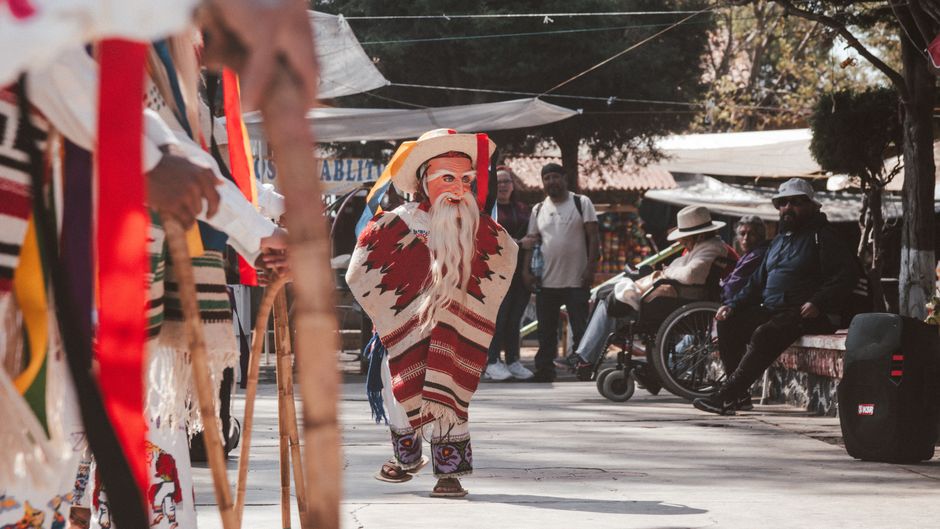 Photo: Amy Farías / Pexels
Don't-Miss Spots
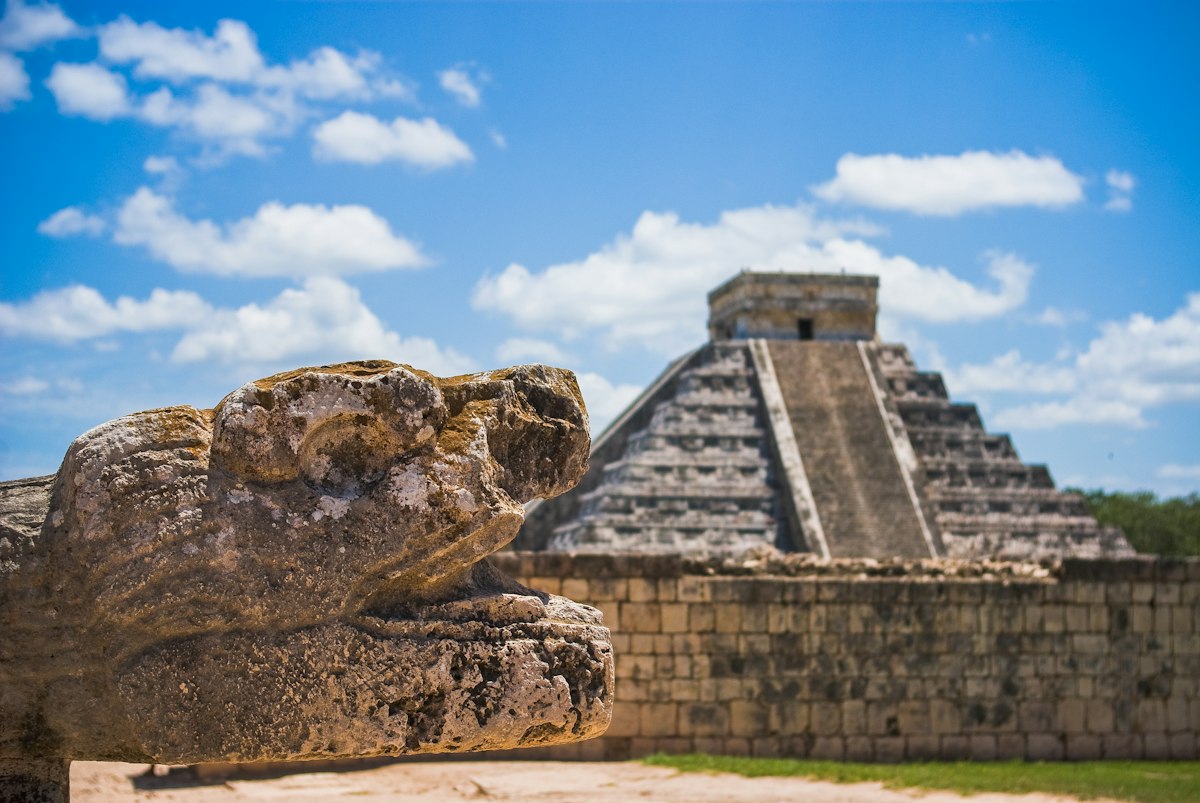
- Teotihuacán pyramids — day trip from CDMX, entry
MXN $100 ($6). - Frida Kahlo Museum (Casa Azul) in Coyoacán — book online ahead; it sells out.
- Hierve el Agua near Oaxaca — petrified mineral "waterfalls" and infinity pools over a valley.
Local gem: Skip the Instagram cenotes near Tulum and go to the quieter cenotes around Valladolid (like Suytun or the ones along the Ruta de los Cenotes) — fewer crowds, lower entry (MXN $100–200), and Valladolid itself is a gorgeous, underrated colonial town.
Getting Around
- CDMX: The Metro is MXN $5 (~$0.30) — absurdly cheap. Uber/DiDi are safe and cheap (MXN $60–150 / ~$4–9 across town); use them over street taxis at night.
- Between cities: Long-distance buses (ADO) are excellent — comfy, reliable, MXN $400–1,200 (~$25–70) for routes like CDMX–Oaxaca or CDMX–Puebla.
- Domestic flights (Volaris, Aeroméxico, VivaAerobus) cover big distances for MXN $800–2,500 (~$45–145) booked ahead.
- Renting a car only makes sense in the Yucatán; in cities it's a hassle.
What a Week Costs
Per person, mid-range (USD):
| Item | Budget | Mid-range |
|---|---|---|
| Lodging (7 nights) | $350–600 | $700–1,300 |
| Food | $100–180 | $200–350 |
| Transport (buses/flights + local) | $80–180 | $180–350 |
| Activities | $50–120 | $120–250 |
| Total | ~$580–1,080 | ~$1,200–2,250 |
Mexico is one of the best value-for-money trips in the Americas. Tip 10–15% at restaurants; round up for taxis.
Plan Your Mexico Trip
Mexico's only real trap is the resort bubble — fly in, never leave the gate, and miss the whole country. The good trips mix one great city with one coast or one mountain town. If you'd rather not piece it together, we build done-for-you custom itineraries with the right neighborhoods, real peso prices, and 2026 World Cup match logistics if you want them. Plans start from $2. Tell us your dates and we'll map it.
Photos via Pexels.