Canada is enormous, friendly, and quietly expensive. It rewards travelers who slow down — a week in one region beats a frantic coast-to-coast sprint across a country wider than the moon.
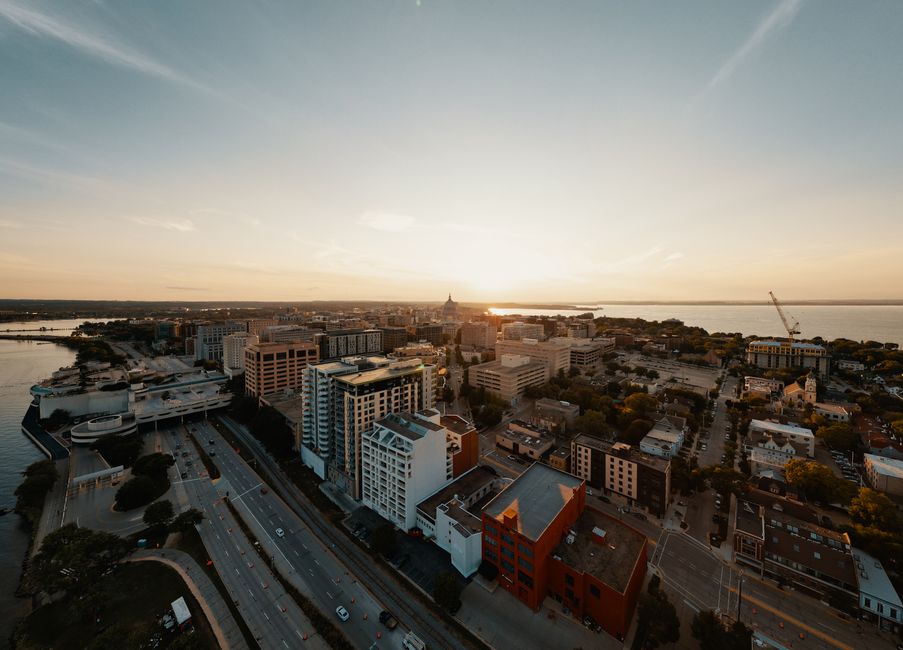
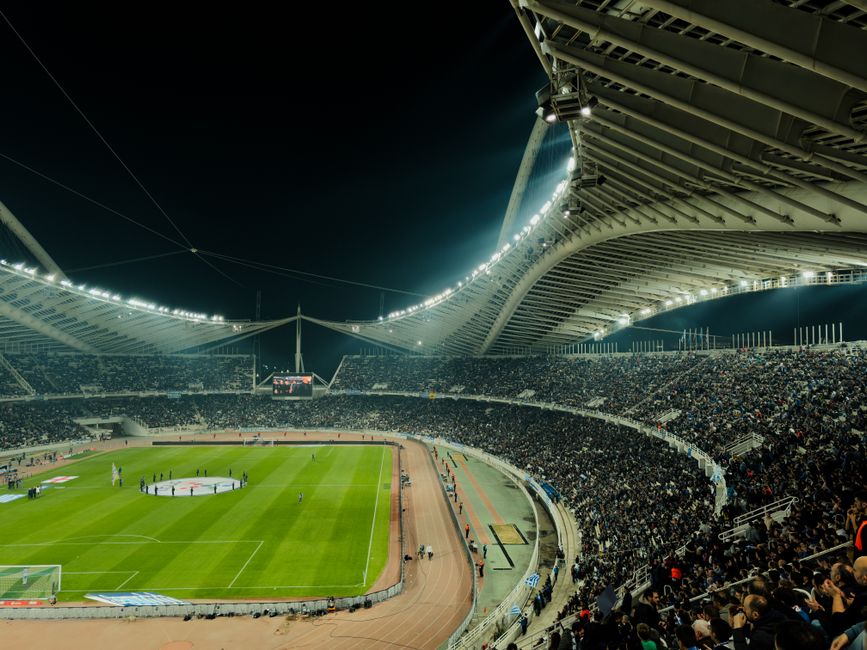
In 2026 Canada co-hosts the World Cup alongside the U.S. and Mexico, with matches in Toronto (BMO Field) and Vancouver (BC Place). Both are excellent base cities even without football — Toronto for its multicultural food scene, Vancouver for mountains-meet-ocean.
When to Go
Summer (June–early September) is peak: long daylight, patio season, and the only time the mountain hikes and lakes are reliably open. It's also the priciest and busiest stretch.
September is the smart shoulder month — warm days, fewer crowds, lower rates. Winter is for ski trips (Whistler, Banff) and not much else unless you love the cold. The World Cup runs mid-June to mid-July 2026, so Toronto and Vancouver will be booked solid — reserve early.
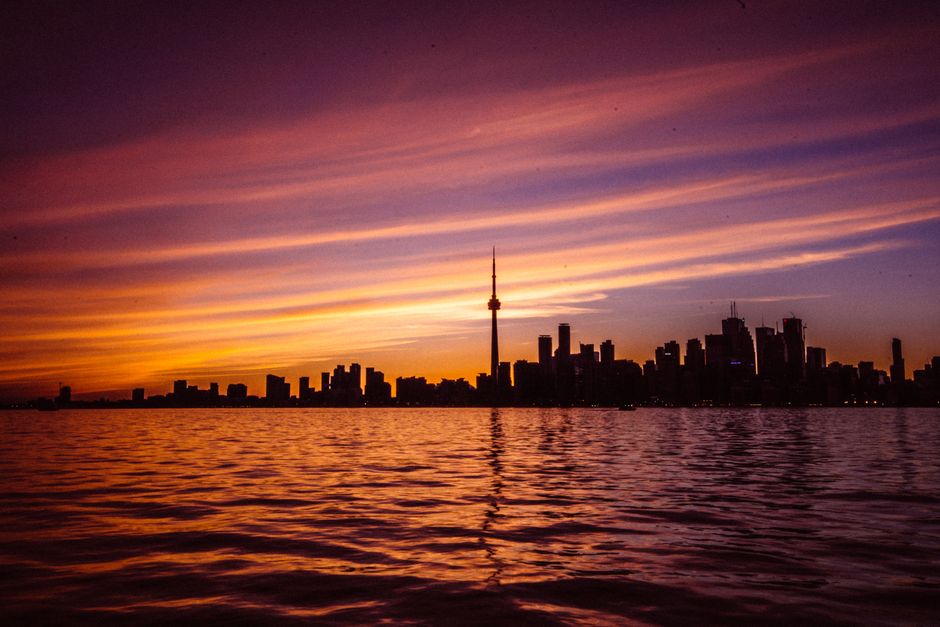 Photo: Harrison Haines / Pexels
Where to Stay
- Toronto — Stay in Kensington Market / Chinatown or Leslieville/Riverside for character and good food over a generic downtown tower. Hotels run CAD $200–350/night (~$145–255 USD).
- Vancouver — Mount Pleasant or Commercial Drive for neighborhood feel; Kitsilano if you want beach and easy access to Stanley Park. Expect CAD $220–380/night (~$160–280 USD).
- Montréal — The most European-feeling city in North America. Base in Le Plateau-Mont-Royal or Mile End. Around CAD $170–300/night (~$125–220 USD), and it's the best food value of the three.
What to Eat
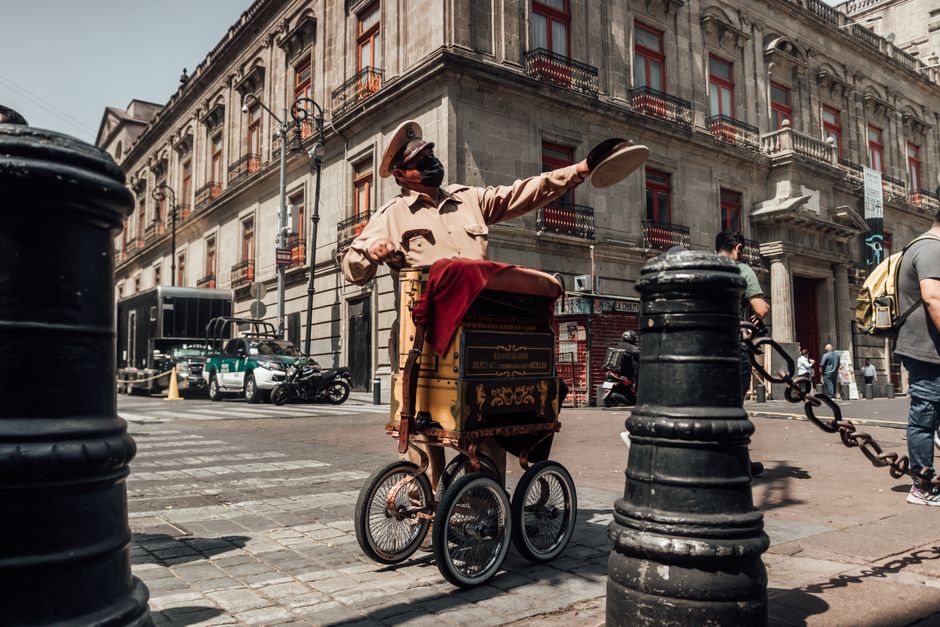
In Québec, poutine done right (fries, cheese curds, real gravy) is worth the cliché — CAD $9–14. Montréal also owns smoked meat (Schwartz's) and bagels (St-Viateur or Fairmount, wood-fired and chewier than NYC's). On the coast, fresh BC salmon and spot prawns; out east, Atlantic lobster and PEI mussels.
Cheap-eat tip: Toronto's diversity means the best value is ethnic — a roti, banh mi, or dumpling lunch for CAD $8–13. In Montréal, grab a bagel-and-coffee breakfast for under CAD $6.
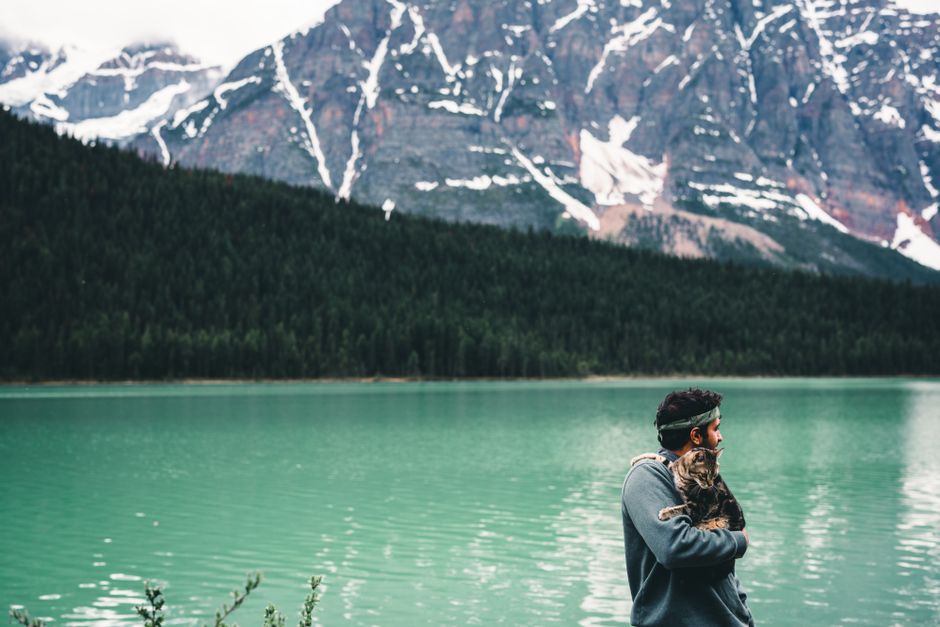 Photo: Ali Kazal / Pexels
Don't-Miss Spots
- Banff & Lake Louise (Alberta) — The Rockies are the real deal. Park pass ~CAD $11/person/day. Go early to beat the lots filling.
- Old Montréal & the Plateau — cobblestones, cafés, murals.
- Stanley Park (Vancouver) — rent a bike and ride the seawall.
Local gem: Skip the Niagara Falls casino strip and drive 20 minutes to Niagara-on-the-Lake for wineries and a genuinely pretty town — or, near Vancouver, take the cheap SeaBus to Lonsdale Quay in North Van for harbor views without the tour-boat price.
Getting Around
- Within cities: Transit is good. Toronto's TTC and Montréal's Métro are ~CAD $3.75/ride; Vancouver's TransLink is zone-based CAD $3.20–5.85.
- Between regions: Distances are flight-sized. Domestic flights CAD $120–350 one-way booked ahead (Air Canada, WestJet, Flair for budget).
- Rental car: Essential for the Rockies — CAD $60–110/day. The Icefields Parkway (Banff to Jasper) is one of the world's great drives.
- VIA Rail is scenic but slow and pricey; charming, not practical for tight schedules.
What a Week Costs
Per person, mid-range, one region (USD):
- Lodging (7 nights): $1,000–1,900
- Food: $300–550
- Transport (local + 1 flight or car): $250–500
- Activities: $150–350
- Weekly total: ~$1,700–3,300
Heads-up: most provinces add 5% GST plus provincial tax (often 8–10%) on top of listed prices, and tipping is 15–20% like the U.S. Budget for both.
Plan Your Canada Trip
Canada's biggest trap is trying to do too much — Toronto, Banff, and Vancouver in seven days means living in airports. The good trips pick one region and go deep. If you'd rather skip the logistics, we build done-for-you custom itineraries with the right neighborhoods, real costs, and 2026 World Cup match-day plans if you want them. Plans start from $2. Send your dates and we'll map it.
Photos via Pexels.