France is the most visited country on earth, and it earns it — but most visitors see one fifth of it and leave thinking they've "done France." They've done a slice of Paris. The real country is in the village markets of Provence, the oyster shacks of the Atlantic coast, and the mountain cheese huts of the Alps.
Football matters here too. France are perennial 2026 World Cup contenders, and during a big match the cafés empty their terraces into hushed, then explosive, rooms. But even in football season, this is a country built for slow, sensory travel.
When to Go
May, June, and September are ideal: warm but not scorching, lavender starting in late June, fewer crowds than the August crush. August is when the French themselves go on holiday — Paris half-shuts, but the coast and countryside come alive (and fill up).
Skip the Riviera in peak August unless you enjoy paying double to share a beach. Spring shoulder season gives you Paris at its best — chestnut blossoms, café weather, manageable lines at the Louvre.
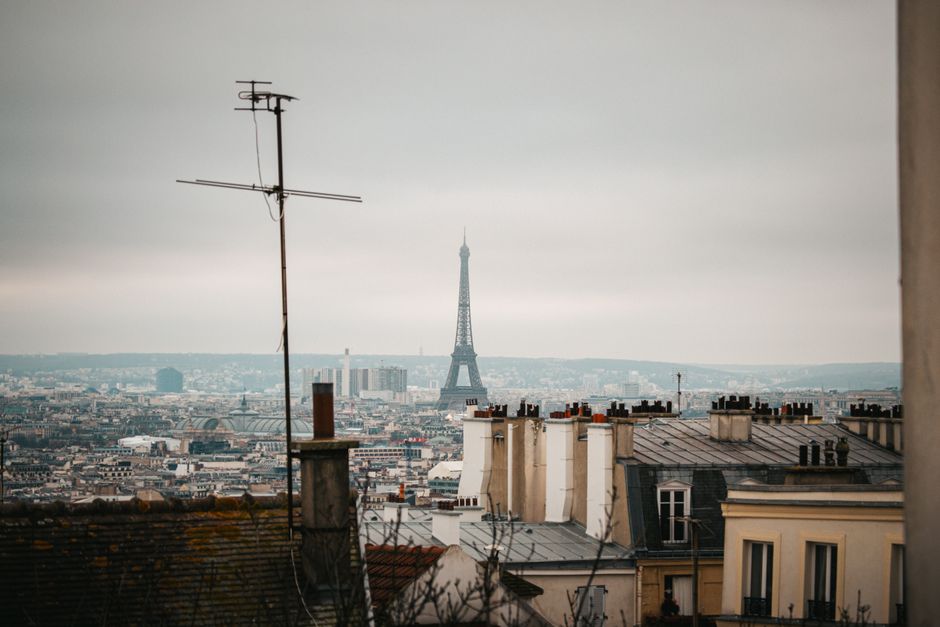 Photo: Denisa Lesniaková / Pexels
Where to Stay
Paris — avoid the tourist sprawl near the Eiffel Tower. Stay in Le Marais (3rd/4th) for medieval lanes, falafel, and galleries, or the 11th arrondissement (around Oberkampf) for natural wine bars and a younger, local feel. Rooms €110–190/night (~$120–205); hostels around €35–55 (~$38–60).
Lyon is France's food capital and far cheaper than Paris. Stay in Vieux Lyon or Croix-Rousse. Around €80–130/night (~$87–141).
Nice is the smart Riviera base — walkable Old Town, real airport, easy day trips. €100–160/night (~$108–173).
What to Eat
In Lyon, eat at a bouchon — small, traditional restaurants serving quenelles, coq au vin, and charcuterie (set menu €20–30 / ~$22–32). In Paris, a neighborhood bistro does steak-frites and confit de canard properly.
On the coast, get fresh oysters from the market — a dozen for €10–14 (~$11–15) with a glass of Muscadet. And don't leave without a real croissant from a proper boulangerie, not a hotel buffet.
Cheap-eat tip: the bakery jambon-beurre — ham and butter on a fresh baguette — runs about €4–5 (~$4.50–5.50) and beats any tourist café sandwich.
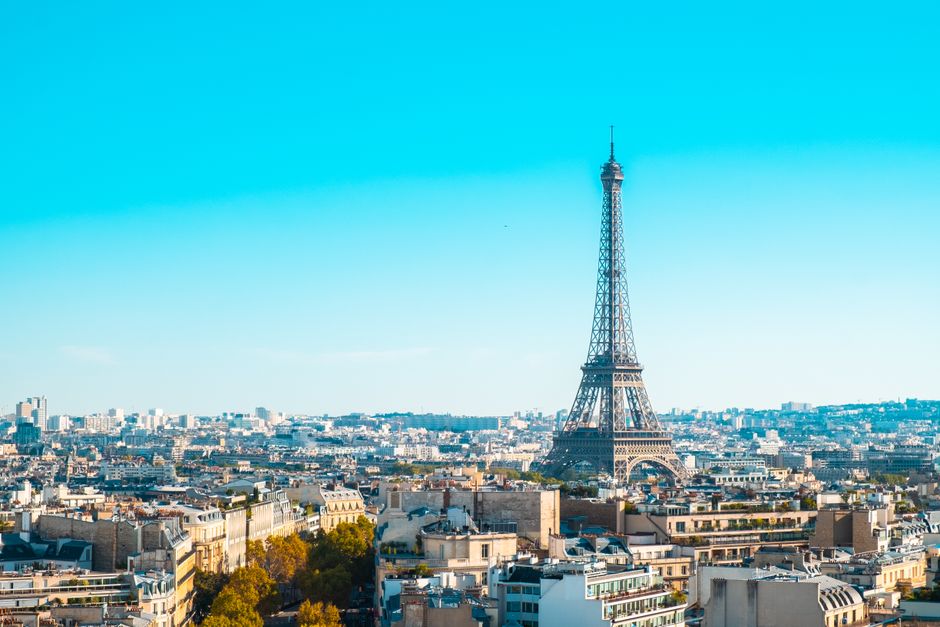 Photo: Mo Eid / Pexels
Don't-Miss Spots
- The Louvre — go late on a Friday evening, far fewer crowds
- Mont-Saint-Michel — the island abbey, otherworldly at high tide
- The Calanques near Marseille — turquoise fjord-like inlets you hike or kayak into
- Carcassonne — a fully walled medieval city in the south
The local gem: Annecy, in the Alps near Geneva — a canal-laced old town on a startlingly clear lake. The French call it "the Venice of the Alps," and most foreign tourists have never heard of it.
Getting Around
The TGV high-speed trains are excellent. Paris to Lyon is under 2 hours; Paris to Nice around 6. Book early via SNCF Connect — fares range €25–90 (~$27–97). The Eurail/Interrail pass can pay off for multi-city trips.
In cities, metros and trams are cheap (Paris single ride about €2.15 / ~$2.30). For the countryside, you'll want a rental car — roughly €40–70/day (~$43–76) plus pricey motorway tolls.
What a Week Costs
Mid-range solo traveler, one week:
| Item | Estimate |
|---|---|
| Accommodation (7 nights) | $850–1,300 |
| Food | $45–75/day |
| Intercity transport (TGV) | $90–200 |
| Local transport | $40–70 |
| Attractions & wine | $130–280 |
Rough total: $1,500–2,800 for a week, depending on how much TGV and how many bottles.
Plan Your France Trip
France is big, and the trap is trying to do too much — three nights in Paris, a TGV south, and you've barely scratched it. We build done-for-you custom itineraries from $2: which regions to pair, the right neighborhood in each, and a day-by-day that respects your pace. Send us your dates and we'll handle the route.
Photos via Pexels.