Nigeria is a lot — in the best and most exhausting ways. It's the beating heart of Afrobeats, Nollywood, and a hustle culture that crackles through every street in Lagos. It's not a soft-landing first trip to Africa, but for travelers who lean into the chaos, few places give back this much energy.
The Super Eagles are one of the continent's giants, and football arguments are a national sport — expect strong opinions everywhere as the 2026 World Cup approaches. But Nigeria is evergreen: the music, the markets, the food, and the sheer creative force of the place are reason enough.
When to Go
- November–February: The dry season and the best window. The Harmattan brings cooler, hazy, dusty days from December. December in Lagos is "Detty December" — a packed season of concerts, parties, and returnees; book everything early and pay more.
- March–May: Hot and increasingly humid as the rains build.
- June–September: The main rainy season — heavy downpours, flooding in low parts of Lagos. Lush, fewer events.
Plan around major festivals if you can: Calabar Carnival (December) and Lagos's Felabration (October) are highlights.
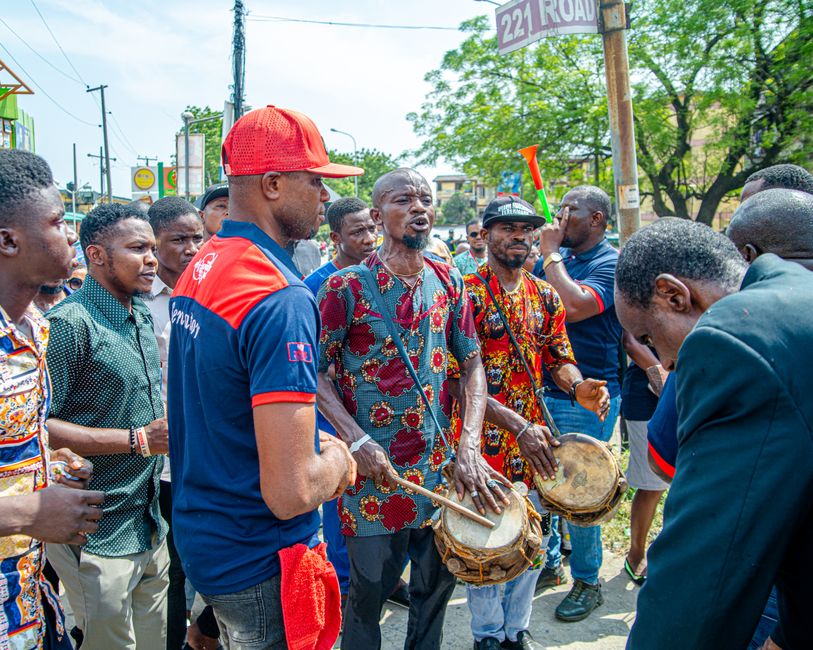 Photo: David Iloba / Pexels
Where to Stay
Lagos — Stay on Lagos Island side, specifically Victoria Island or Ikoyi (safer, walkable-ish, restaurants, business hotels) or trendy Lekki. Mainland is cheaper and more authentic but tougher to navigate. Budget guesthouses run 25,000–50,000 NGN/night ($17–33); mid-range hotels 70,000–150,000 NGN ($46–100). Prices swing hard with the naira, so confirm current rates.
Abuja — The planned capital: orderly, green, calmer than Lagos. Stay in Maitama or Wuse. A good base if Lagos feels overwhelming.
Calabar — The cleanest, most relaxed city, gateway to rainforest and Carnival. Mid-range hotels from 40,000 NGN (~$27).
What to Eat
- Jollof rice — Nigeria's side of the great West African jollof war. Smoky, party-pan jollof is the gold standard. Around 2,500–5,000 NGN (~$1.70–3.30).
- Egusi soup — Melon-seed stew with leafy greens and meat or fish, eaten with pounded yam or eba.
- Suya — Spiced, skewered grilled beef dusted with yaji (peanut-chili spice), sold by "mai suya" at night. The ultimate street food.
- Pepper soup — Fiery, aromatic broth with fish or goat; a cure-all.
- Puff-puff — Sweet fried dough balls, the everyday snack.
Cheap-eat tip: Hit a buka (local canteen) for a plate of jollof or amala with stew — 1,500–3,000 NGN (~$1–2) and the real flavor of the country.
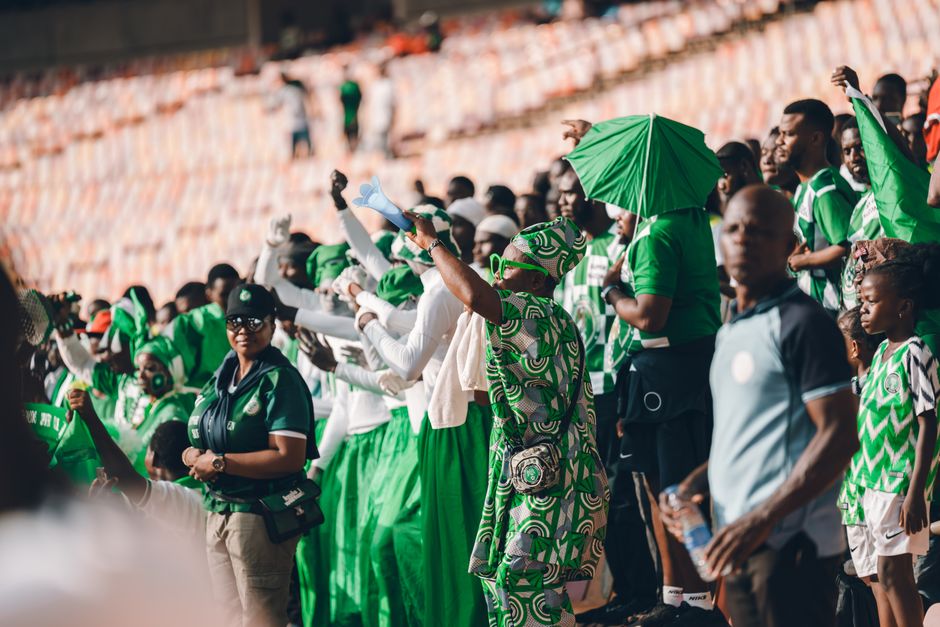 Photo: Jonathan Shembere / Pexels
Don't-Miss Spots
- Lekki and the New Afrika Shrine — Lagos's nightlife and the spiritual home of Afrobeat, where Femi and Seun Kuti still play. Catch a live show.
- Lekki Conservation Centre — A long canopy walkway over wetlands, a green breather from Lagos's intensity.
- Calabar — Rainforest day trips and, in December, one of Africa's biggest street carnivals.
- Hidden gem: the Osun-Osogbo Sacred Grove, a UNESCO-listed forest of Yoruba shrines and sculptures along the Osun River, deeply spiritual and largely off the tourist trail.
Getting Around
- Bolt and Uber operate in Lagos and Abuja and are the sane way to get around cities — far easier than negotiating taxis. Cross-Lagos rides can run 3,000–10,000 NGN (~$2–7) depending on traffic.
- Danfo (yellow minibuses) are the cheap, crowded local option in Lagos — an experience, but not for nervous first-timers.
- Domestic flights are essential for long distances (Lagos–Abuja, Lagos–Calabar). A one-way runs roughly 60,000–120,000 NGN (~$40–80). Book reputable carriers and confirm schedules.
- For Lagos's island-to-mainland trips, boats and ferries can beat the legendary traffic.
A word on reality: Lagos traffic ("go-slow") is world-class bad. Build huge time buffers, and arrange airport pickups in advance.
What a Week Costs
Rough per-person daily budgets (excluding international and domestic flights):
| Style | Per day | Per week |
|---|---|---|
| Budget (guesthouses, bukas, ride-share) | $40–60 | ~$280–420 |
| Mid-range (hotels, restaurants, some domestic flights) | $100–160 | ~$700–1,120 |
| Comfort (top hotels, private driver, flights) | $220+ | ~$1,540+ |
The naira is volatile, so treat USD figures as moving targets. Carry cash, use ATMs at banks, and keep a card for hotels.
Plan Your Nigeria Trip
Nigeria rewards travelers who come prepared — the right neighborhood, a trusted driver, and a realistic schedule turn overwhelm into one of the most exhilarating trips you'll take. We build done-for-you custom itineraries starting from $2, handling the stays, transport, and timing so you can dive straight into the music and the food. Tell us your dates and we'll map a Nigeria trip that actually flows.
Photos via Pexels.