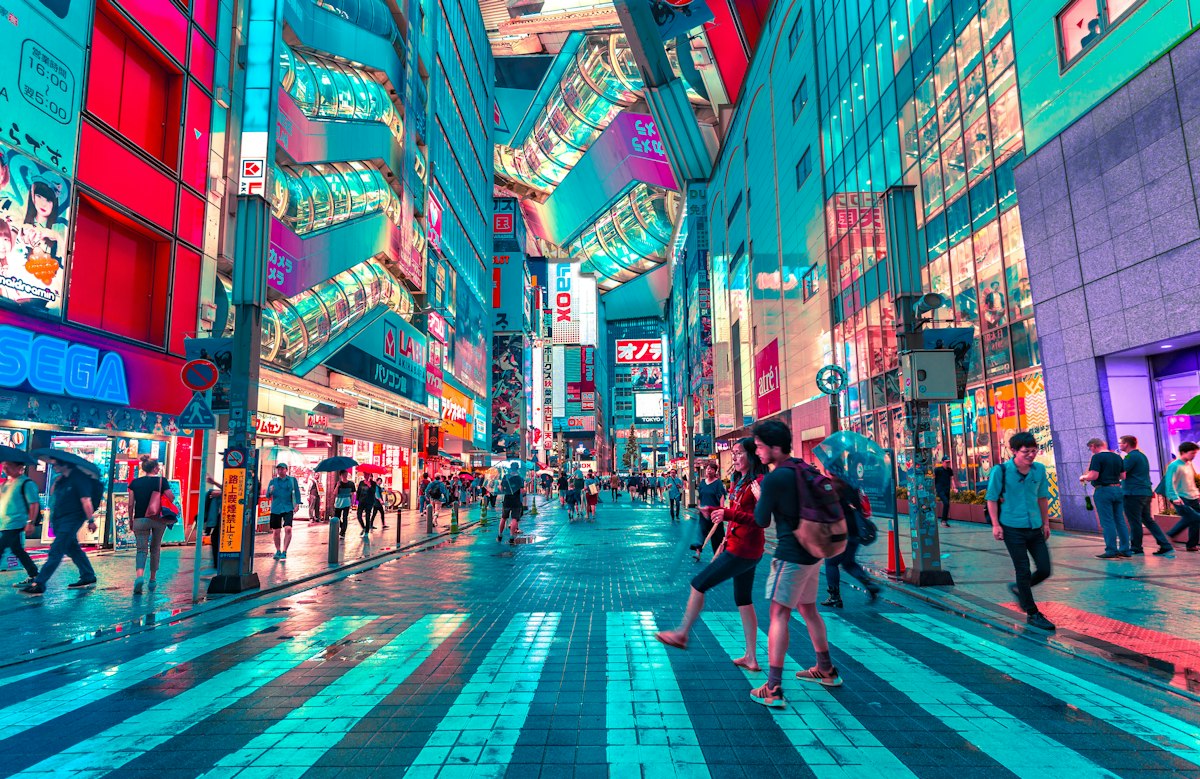
Most first-timers fly into Tokyo and never leave the megacity — and they miss the point. The Japan that lingers in your memory is the one you find on the rails: the temple-stacked hills of Kyoto, the deep-fried, loud-mouthed warmth of Osaka, and a misty hot-spring valley two hours out. This is a country-level guide for everything beyond the capital.
Japan rarely makes World Cup noise the way Brazil or Argentina do, but the Samurai Blue are quietly one of Asia's best, and 2026 will pull plenty of eyes east. Still, you don't need a tournament as an excuse. Japan is evergreen — come once and you'll already be planning the return.
When to Go
Japan has four genuinely distinct seasons, and timing changes the whole trip.
- Late March–early April: Cherry blossom (sakura) season. Breathtaking and brutally crowded; prices spike and dates shift yearly, so it's a gamble.
- May and October–November: My picks. Mild, dry, and autumn foliage in Kyoto is every bit the equal of spring. Fewer crowds, fairer prices.
- June–early July: Rainy season (tsuyu). Humid and gray, but cheap and quiet.
- August: Hot and sticky, but festival (matsuri) season — worth braving for fireworks and dancing.
Avoid Golden Week (late April to early May) and Obon (mid-August) unless you love crowds and surge pricing — the whole country travels at once.
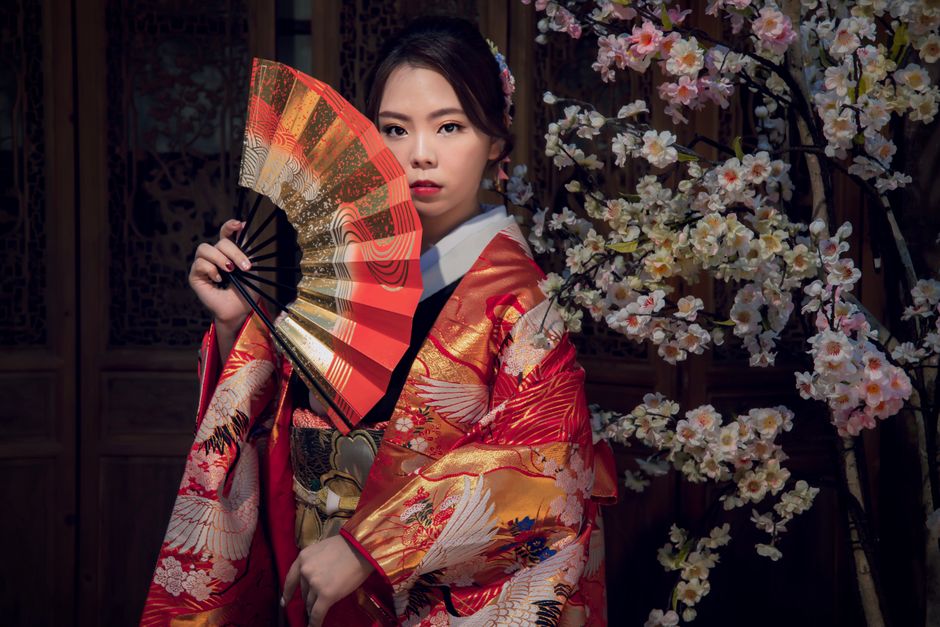 Photo: Li Yuan / Pexels
Where to Stay
Kyoto — Base near the Higashiyama district for walkable access to the eastern temples, or around Kawaramachi/Gion for nightlife and dining. A clean business hotel runs ¥10,000–18,000/night ($65–115); a basic ryokan with breakfast more like ¥18,000–30,000 ($115–195).
Osaka — Loud, friendly, and food-obsessed. Stay near Namba for the Dotonbori chaos or Umeda for transit convenience. Hotels here undercut Kyoto: ¥7,000–14,000 (~$45–90).
Hakone — A hot-spring (onsen) escape under Mt. Fuji, ideal for a one- or two-night splurge. A ryokan with a private bath and a multi-course kaiseki dinner is the experience to spend on: ¥25,000–45,000 (~$160–290) per person.
What to Eat
- Okonomiyaki and takoyaki — Osaka's savory pancakes and octopus balls; eat them street-side.
- Kaiseki — Kyoto's seasonal multi-course art form, worth one blowout meal.
- Yudofu — simple Kyoto hot-pot tofu, surprisingly memorable near the temples.
- Kushikatsu — deep-fried skewers in Osaka's Shinsekai; remember the no-double-dipping rule.
- Ramen — regional and endless; each city has its own style.
Cheap-eat tip: Hit a conbini (7-Eleven, Lawson, FamilyMart) for genuinely good onigiri, egg sandwiches, and hot food for ¥300–600 (~$2–4). And department-store basement food halls (depachika) slash prices on gorgeous bento near closing time.
 Photo: Bjorn Pierre / Pexels
Don't-Miss Spots
- Fushimi Inari in Kyoto — the endless vermilion torii gates; go at dawn to have them nearly to yourself.
- Arashiyama bamboo grove — early morning, before the tour buses.
- Nara — a 45-minute hop from Kyoto for the giant Buddha and the famously bowing deer.
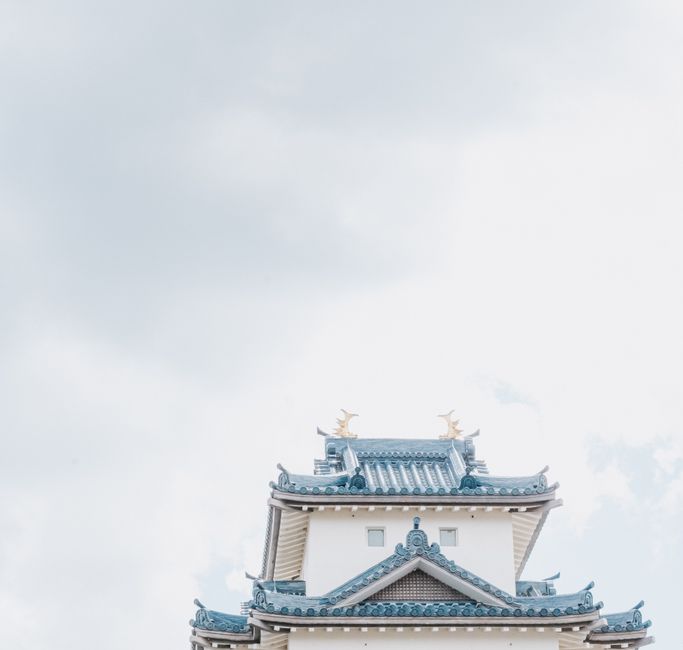
- Himeji Castle — Japan's finest original castle, an easy stop on the Osaka–Hiroshima line.
Hidden gem: Koyasan (Mt. Koya), a mountaintop Buddhist monastery complex south of Osaka where you can sleep in a temple, eat vegetarian monk's cuisine, and walk the Okunoin cemetery at night under lanterns. Few foreign visitors make the climb.
Getting Around
The Shinkansen (bullet train) is the spine of any Japan trip. Tokyo to Kyoto is about 2h15. A one-way Kyoto–Osaka local is only ¥420 (~$3) and takes 15 minutes.
- The Japan Rail Pass is no longer the automatic deal it once was after big price hikes — do the math first. For a Tokyo–Kyoto–Osaka loop, individual tickets often win.
- IC cards (Suica, ICOCA) tap you onto every subway, bus, and most trains. Load ¥3,000–5,000 to start.
- City subways are flawless; a typical Osaka or Kyoto ride is ¥230–330 (~$1.50–2).
What a Week Costs
Rough per-person daily ranges, mid-range style:
| Item | Budget | Mid-range |
|---|---|---|
| Accommodation | $30–55 | $90–190 |
| Food | $20–30 | $40–75 |
| Transport (local) | $5–12 | $12–25 |
| Activities | $5–20 | $25–60 |
A week, comfortably: roughly $700–1,400 per person, excluding international flights. Add ~$90–130 for each Shinkansen leg between major cities.
Plan Your Japan Trip
Japan is precise, and so should your route be — the difference between a magical week and a frantic one is usually a smart rail order and the right neighborhood in each city. If you'd rather skip the timetable spreadsheets and get a day-by-day plan built around your dates, budget, and the cities you actually care about, I build custom itineraries starting from $2, with the trains, ryokan, and bookings already lined up so you just show up.
Photos via Pexels.